
Yellow is one of those colours that can completely change the atmosphere of an interior. Associated with sunshine, warmth and optimism, it has the ability to make a room feel brighter and more welcoming. Yet despite its cheerful reputation, yellow is sometimes overlooked when people are choosing colours for their homes. The concern is often that it will be too bold, too bright or difficult to coordinate with existing furnishings.
In reality, yellow comes in an enormous range of shades, from soft buttery tones and muted ochres to rich mustard and vibrant sunshine yellow. Choosing the right variation is the key to making it work.
Finding the Right Shade of Yellow
Not all yellows create the same effect. Pale, creamy shades can be surprisingly versatile, particularly in rooms where a little warmth is needed without introducing a strong colour. They work well alongside natural wood, off-white furnishings and other understated neutrals.
Mustard and ochre offer something rather different. Their deeper, earthier qualities make them particularly suited to interiors featuring darker woods, leather, warm metallics and textured fabrics. These shades can feel sophisticated rather than overly cheerful, making them a good choice for living rooms and dining areas.
At the brighter end of the spectrum, clear sunshine yellow can bring energy to a space. It is perhaps best used selectively, especially if you are unsure about committing to a strong colour scheme. Cushions, artwork, lampshades and decorative accessories are easy ways to introduce it.
Yellow in the Kitchen
Kitchens are particularly well suited to yellow because it naturally complements many of the materials commonly found in these spaces. Yellow accessories can brighten a kitchen with white cabinets and pale worktops, while softer shades can bring warmth to more traditional wooden units.
For a more noticeable change, yellow cupboard fronts or a painted kitchen island can create a distinctive focal point. Mustard yellow also works surprisingly well alongside dark green, navy blue and charcoal, offering an alternative to the more familiar combinations of white and grey.
If you prefer to keep permanent features neutral, consider introducing yellow through smaller details such as tea towels, storage jars, pendant lights or upholstered breakfast-bar stools.
Creating a Relaxed Living Space
In living rooms, yellow can be used to lift a neutral colour scheme without making the space feel overly colourful. A mustard armchair, for example, can sit comfortably alongside grey or beige sofas, while yellow cushions can introduce a little contrast against darker upholstery.
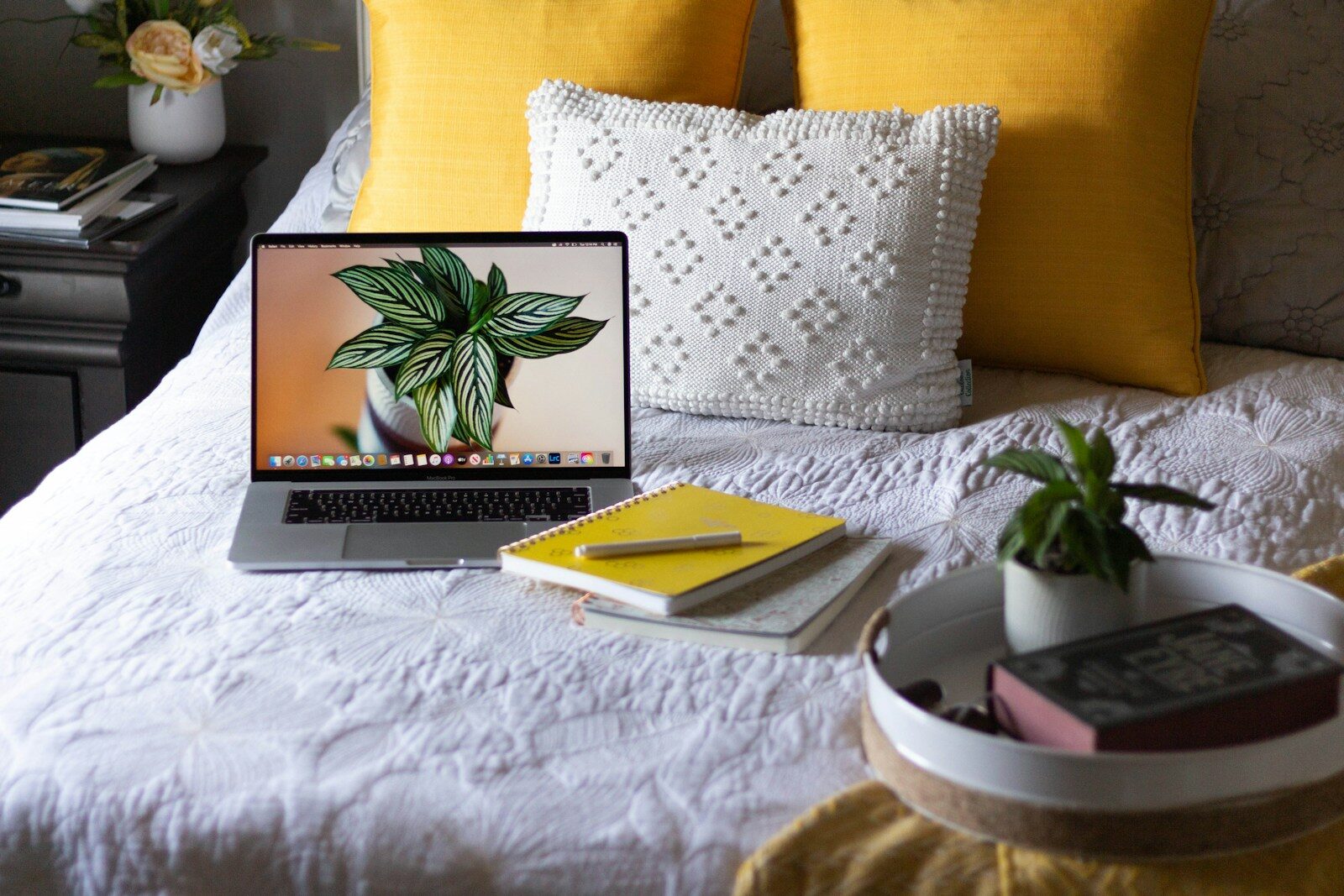
The colour also pairs naturally with botanical prints and indoor plants. Deep greens provide a particularly attractive contrast, while natural materials such as rattan, oak and linen help prevent the overall scheme from feeling too sharp.
For a more traditional look, try combining muted yellow with warm cream, terracotta and natural wood. This creates an inviting palette that works particularly well in homes with period features.
Don’t Forget Bedrooms and Smaller Spaces
Yellow can be a lovely addition to a bedroom, although the shade matters. Softer, more muted tones are generally easier to live with than highly saturated colours, particularly in a room intended for relaxation. Yellow bedding, curtains or a carefully chosen wallpaper can introduce warmth without dominating the space.
Hallways and downstairs cloakrooms offer another opportunity to experiment. These areas are often overlooked when decorating, yet a yellow-painted wall, patterned wallpaper or colourful accessories can make a memorable first impression.
Getting the Balance Right
The trick with yellow is to think about how much of it you actually need. It doesn’t have to cover every wall or feature in a room to make an impression. Sometimes a few well-chosen accessories are enough to lift an otherwise neutral interior.
Consider the existing colours, the amount of natural light and the overall atmosphere you want to create before choosing your shade. Testing paint samples at different times of day is particularly useful, as yellow can look quite different in morning sunlight compared with artificial evening lighting.
Used thoughtfully, yellow is far more versatile than its reputation suggests. Whether you prefer a gentle buttery shade or a bolder mustard accent, it can bring warmth, character and a welcome change to almost any room.
Photo by Madelynn Woods.